
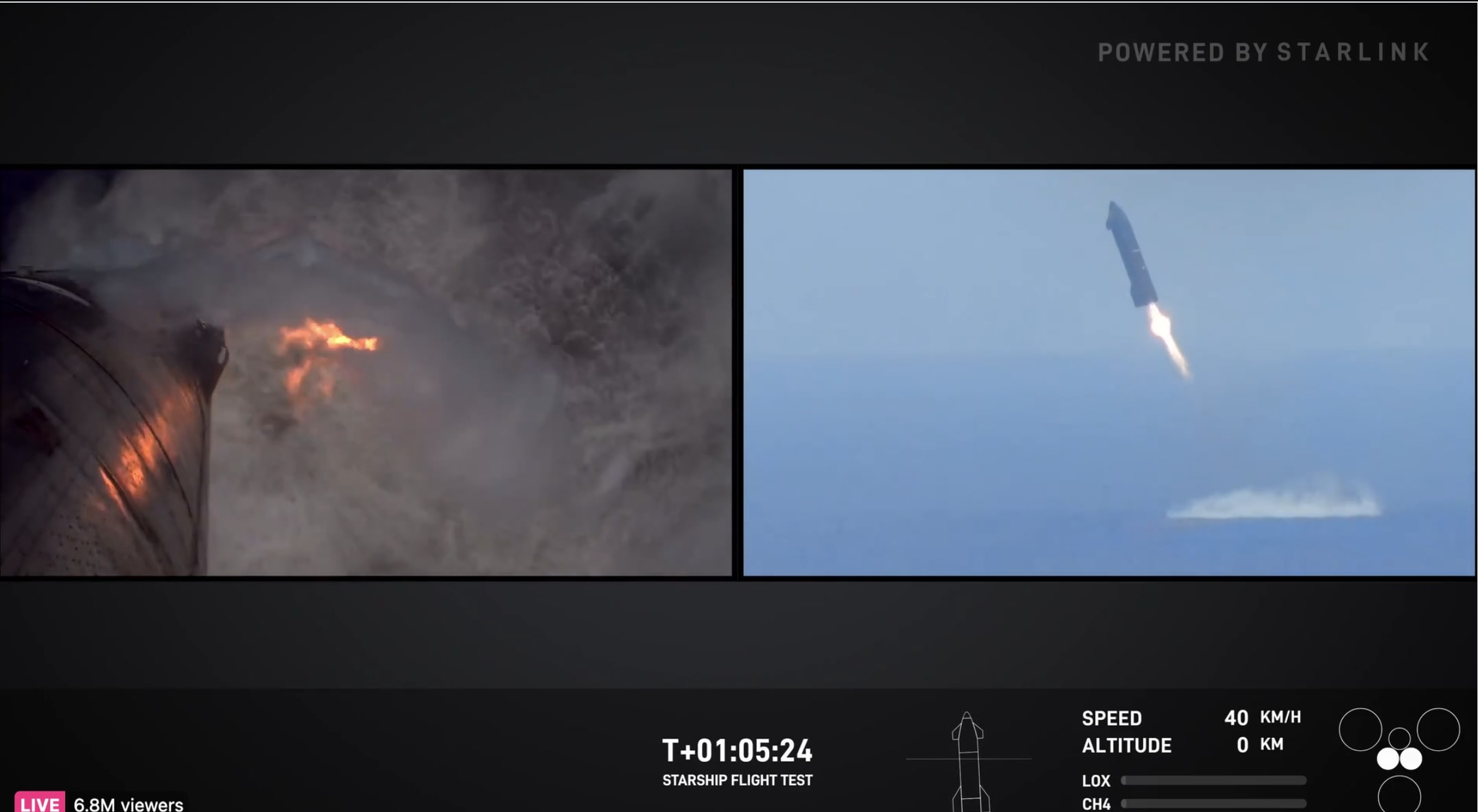
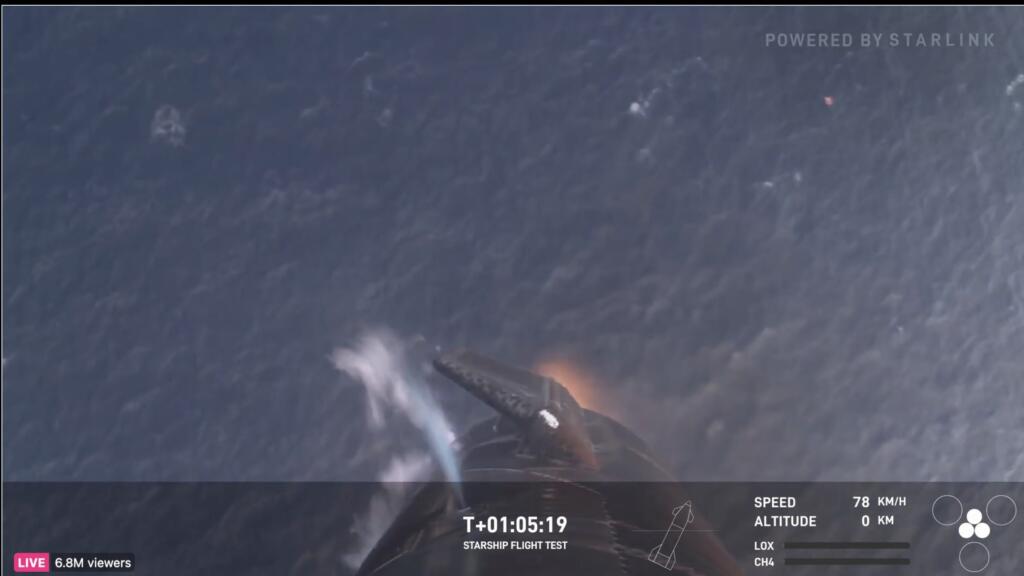
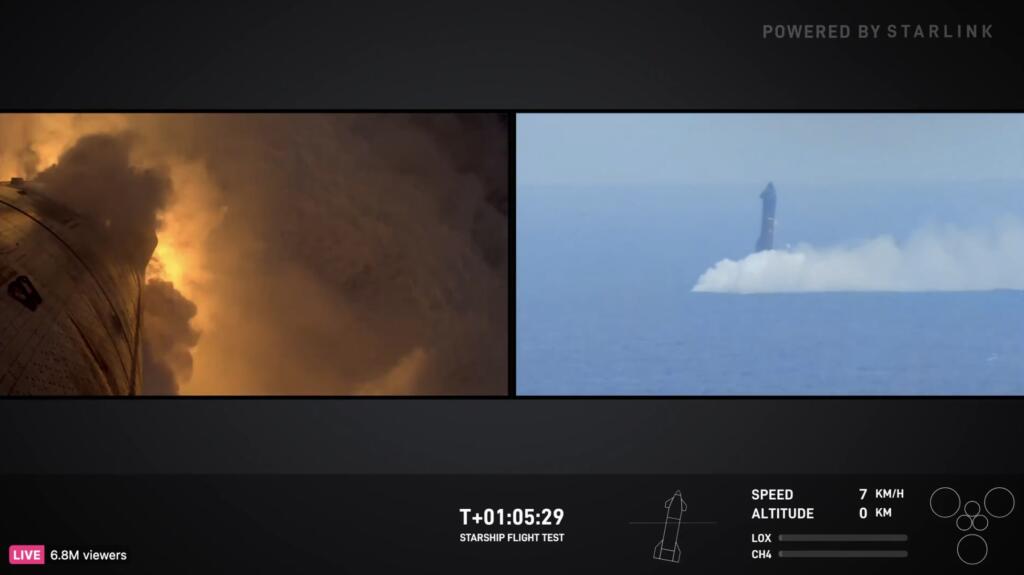
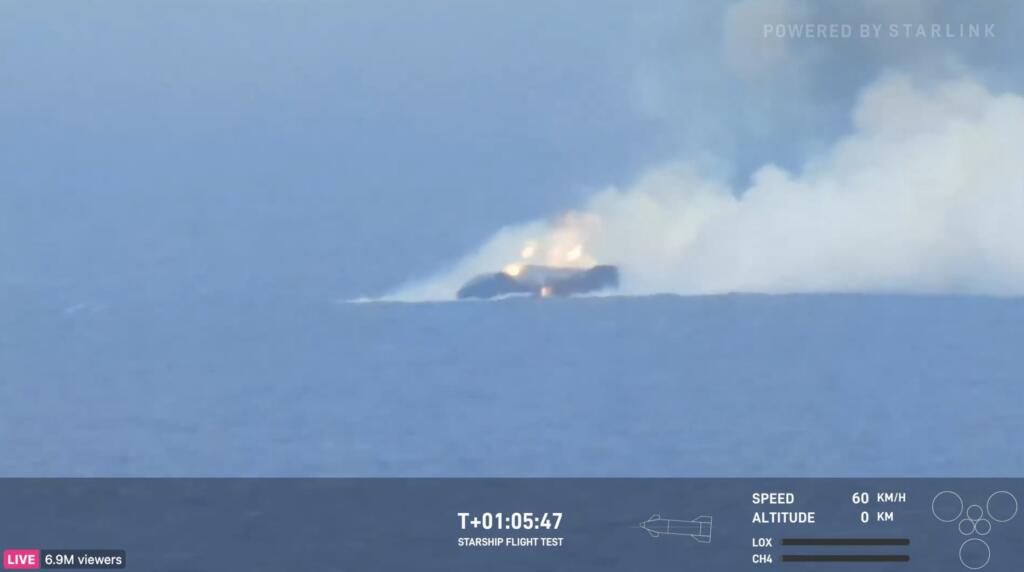
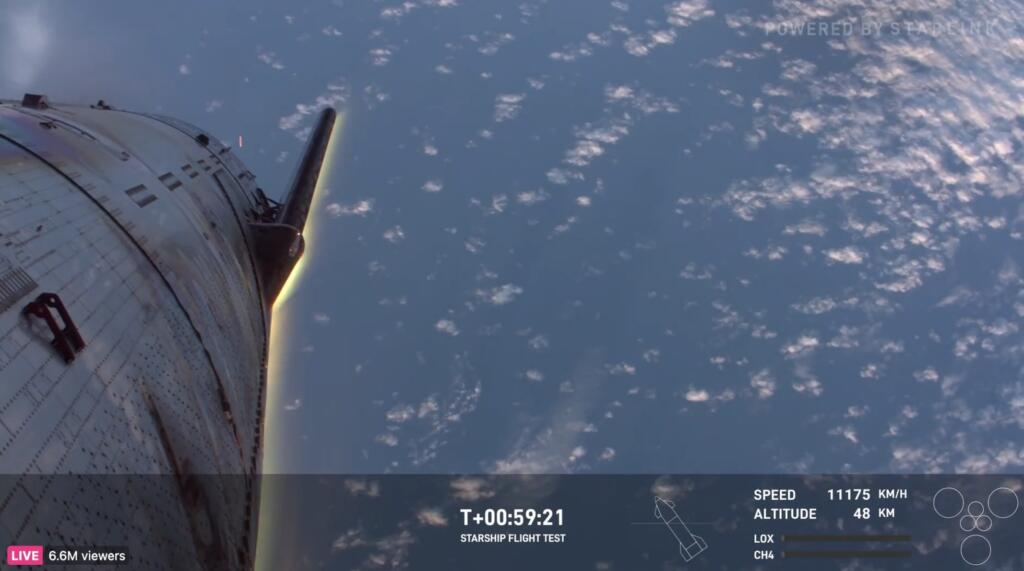
SpaceX Starship survived the soft landing.
A great simulated tower landing.


Brian Wang is a Futurist Thought Leader and a popular Science blogger with 1 million readers per month. His blog Nextbigfuture.com is ranked #1 Science News Blog. It covers many disruptive technology and trends including Space, Robotics, Artificial Intelligence, Medicine, Anti-aging Biotechnology, and Nanotechnology.
Known for identifying cutting edge technologies, he is currently a Co-Founder of a startup and fundraiser for high potential early-stage companies. He is the Head of Research for Allocations for deep technology investments and an Angel Investor at Space Angels.
A frequent speaker at corporations, he has been a TEDx speaker, a Singularity University speaker and guest at numerous interviews for radio and podcasts. He is open to public speaking and advising engagements.
Major upcoming achievements needed include:
– Redesigned upper stage Starship re-entry without any burn through.
– Catch of upper stage.
– Launch two Starships and have them dock and transfer propellant.
– Land cargo on the Moon.
I estimate that these can be achieved before the end of 2026.
If they can maintain a test cadence of once a month or better, I see no reason it should take that long. According to SpaceX, the problem was hardware on the launch tower, which while it’s landing critical, isn’t tightly mass constrained like the rocket itself, so they should be able to fix it fairly easily.
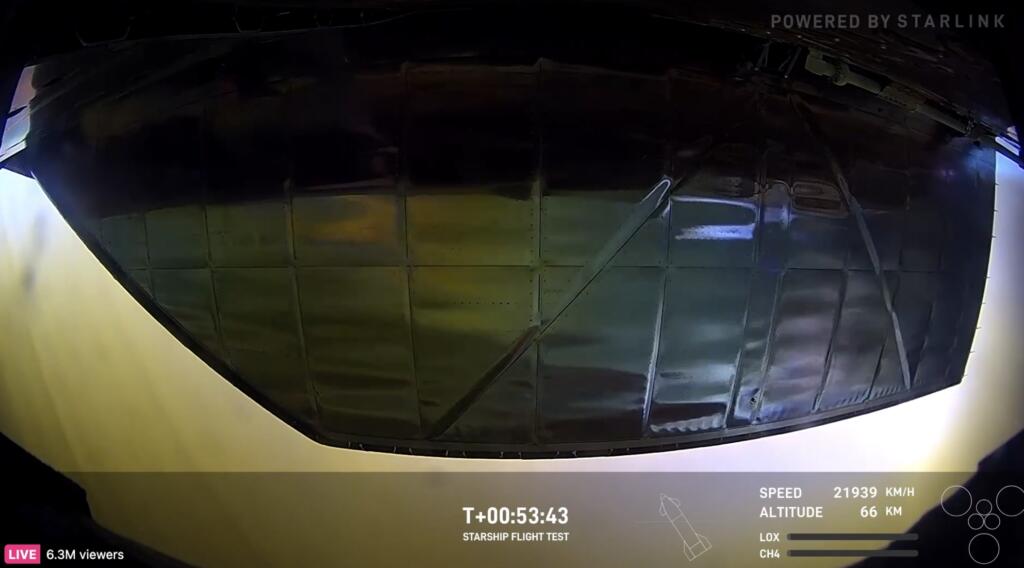
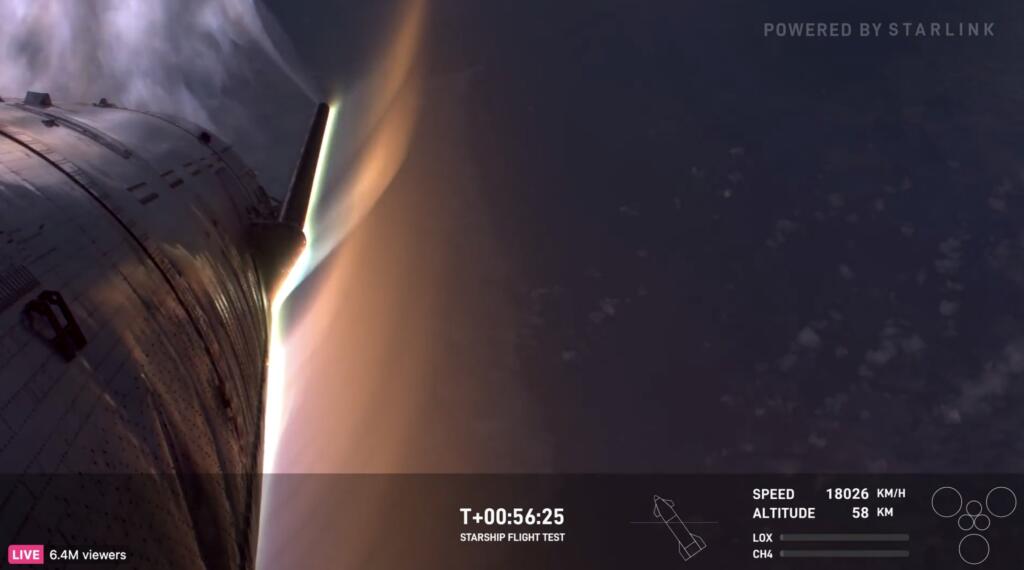
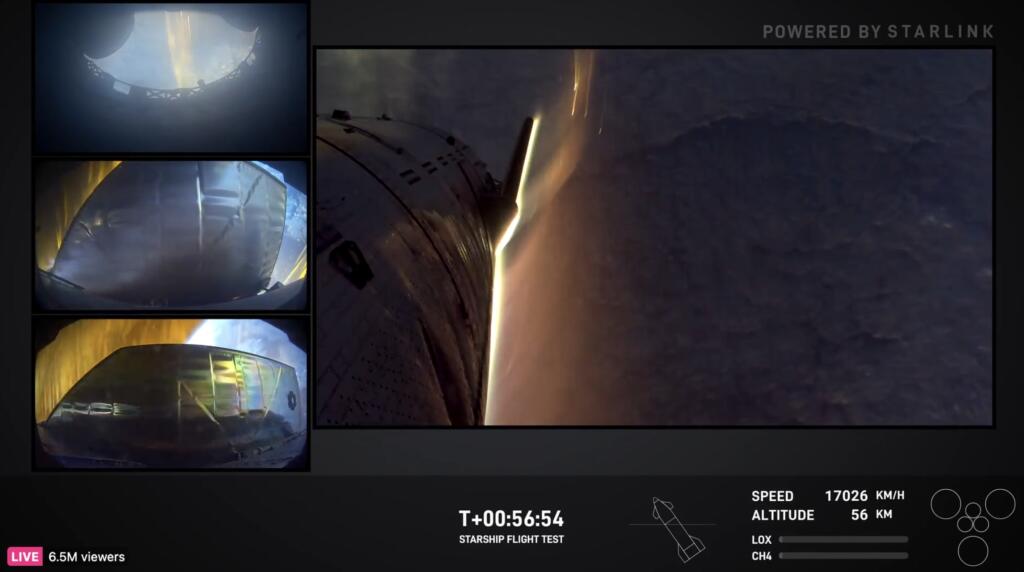
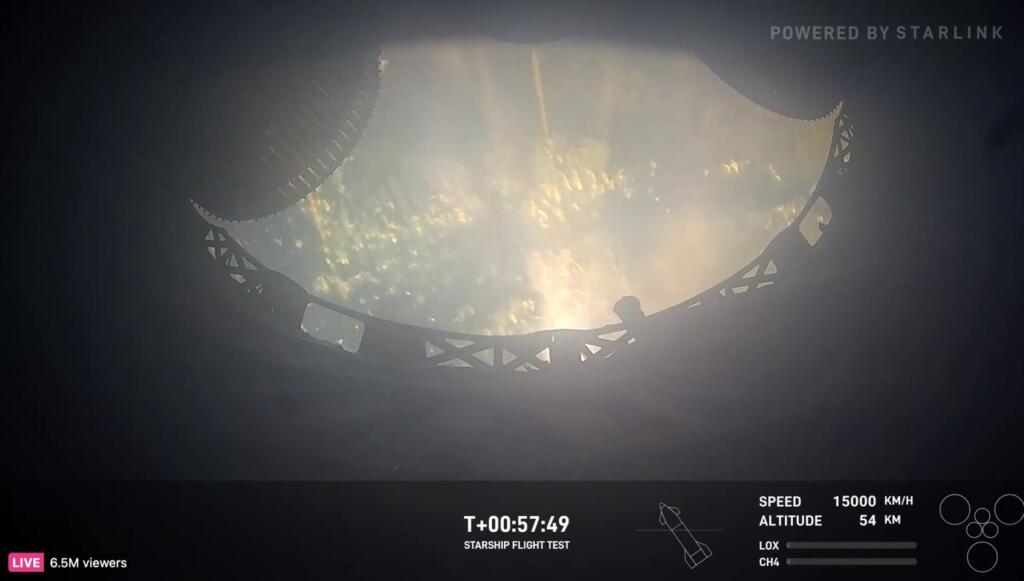
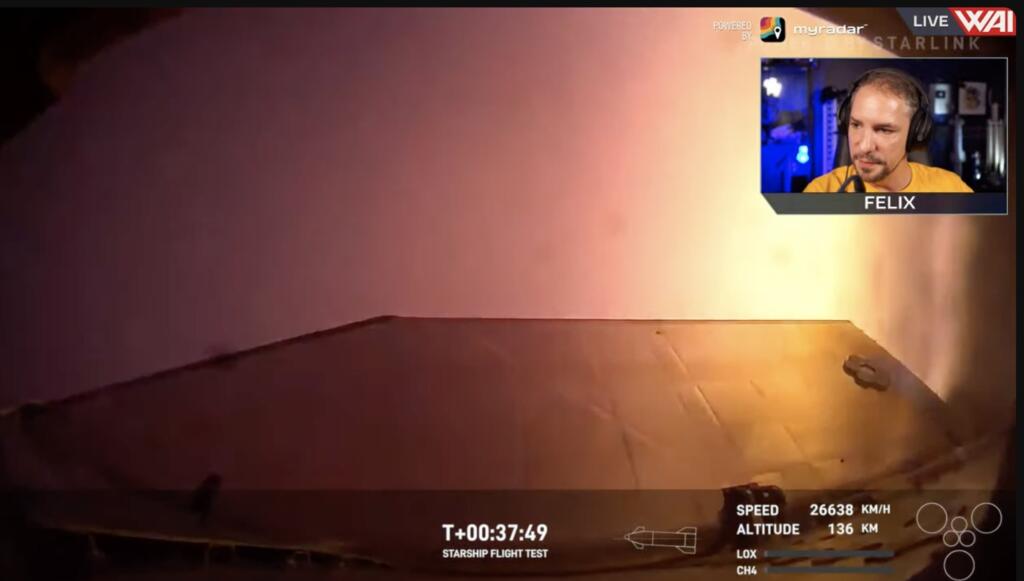
They have already re-designed the Starship to avoid burn through.
The NY Times reports a mixed result, with an unplanned splashdown of the booster in the Gulf instead of being caught by the tower. No attempt was planned to catch the main Starship by the tower, just a simulation of a vertical landing in the Indian ocean.
The times also said “the SpaceX founder has complained that the pace of Starship testing has been slowed through unnecessary environmental reviews by the Federal Aviation Administration, which regulates private space launches, and by the U.S. Fish and Wildlife Service.” And there’s a separate article, from a day earlier, about the enormous sonic boom Starship produces “SpaceX Starship’s Sonic Boom Creates Risk of Structural Damage, Test Finds. An independent researcher found that noise recorded miles away from the site of a recent test flight was equal to standing 200 feet from a Boeing 747 during takeoff.
SpaceX’s new Starship rocket far exceeds projected maximum noise levels, generating a sonic boom so powerful it risks property damage in the densely populated residential community near its South Texas launch site, new data suggests.
The measurements — of the actual sound and air pressure generated by the rocket during its fifth test launch last month — are the most comprehensive publicly released to date for Elon Musk’s Starship, the largest and most powerful rocket ever constructed.” – Nov. 18, 2024
There are over 2 dozen mountains over 14,000 feet high in the continental U.S., especially in Colorado (some in California too, but Musk has an animosity to California). Maybe Elon Musk should set up a separate launch site on the flattened top of one of them, where there won’t be nearby towns like there are in Texas, or even much wildlife to matter. Starship could land there after its initial flight from South Padre Island and Port Isabel, which are about six miles from SpaceX’s launch site in South Texas, which could remain as the remote control center and HQ, while a 2-lane road could be used to deliver fuel and supplies to a new center on the mountain. Angry Astronaut reports that there is a high danger of accidents or terrorist attack to a long line of trucks carrying highly flammable liquid oxygen for on-site tanks. A remote site would lessen that danger and could be guarded better than the public road currently used: https://youtu.be/QszhS7y5tjA?si=AxZoMCojo5NvqQ6R.
It may not matter much, but Starship would then also be in a colder, less air resistant environment, over two miles closer to space.
Musk can’t set up an inland launch site until Starship is well proven, because if anything goes wrong on the way up, the ship would fall over land. That’s why both Cape Canaveral and Starbase are on the East coast, so they can launch over water.
Then, yeah, a launch site on the Left coast might be feasible, as a lot of the trajectory would be over very thinly populated land. But not during the development program.
Minor issue with a sensor on one of the Chop Stick arms, was the reason for the Gulf of Mexico water landing.
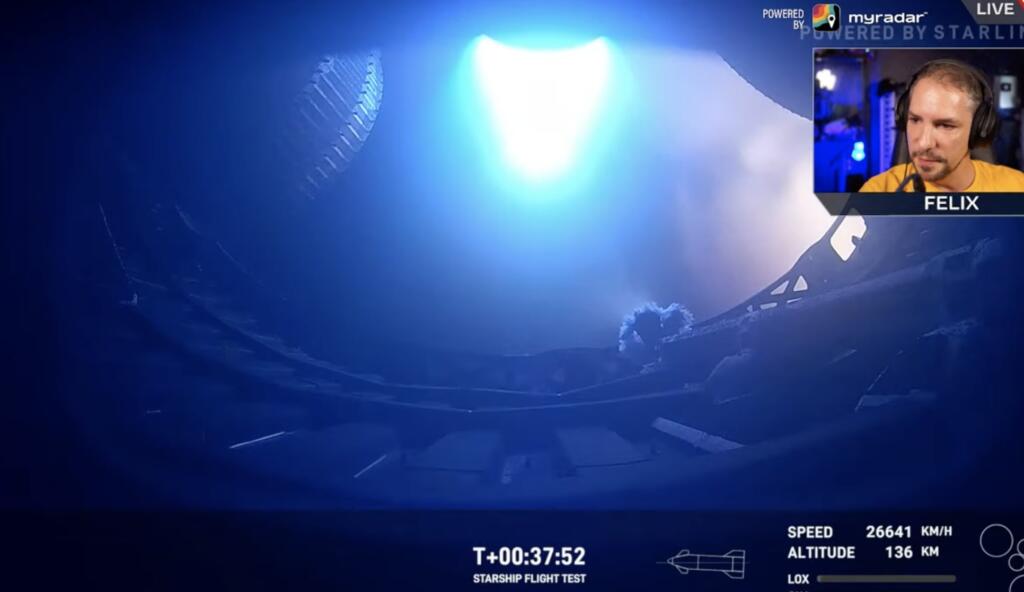
Less burn-through in the flaps and the Raptor vacuum relight worked.
No tower catch this time, which was kind of bummer.
All in all, a success, even if it feels less triumphant than the previous one.