
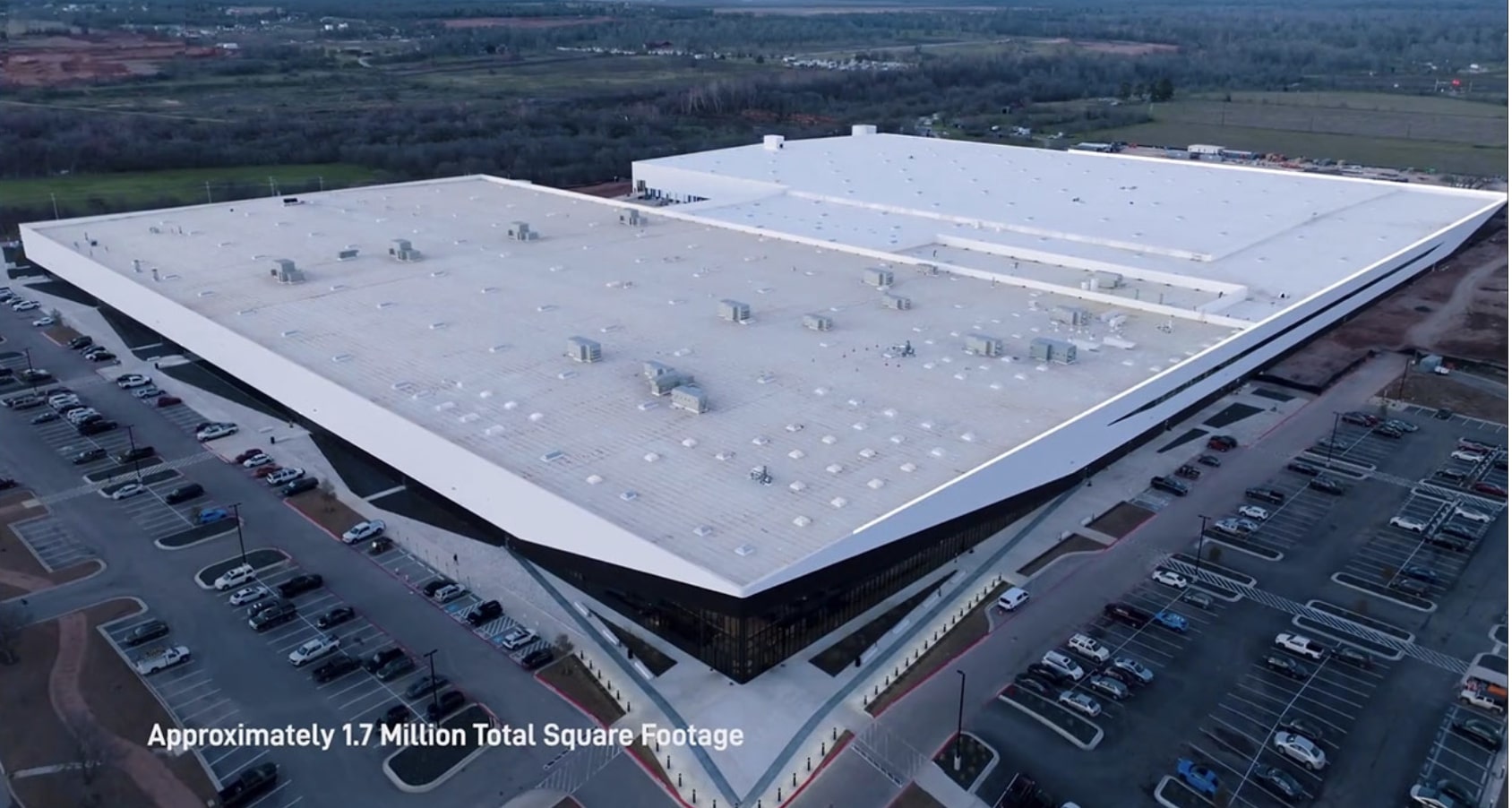
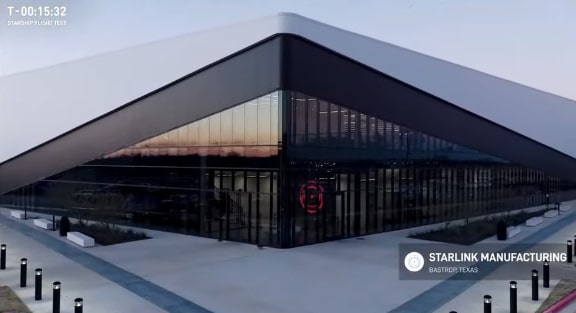
SpaceX is investing $280 million for the expansion of its semiconductor research-and-development (R&D) and advanced packaging facility in Bastrop, about 33 miles southeast of Austin. The company received its fifth Texas Semiconductor Innovation Fund grant, totaling $17.3 million, from the State of Texas to help fund the expansion.
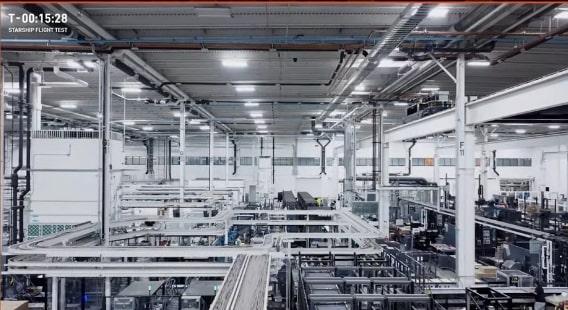
SpaceX has expanded Bastrop by adding 1 million square feet to produce Starlink kits and their adjacent parts, as well as advanced silicon products. The facility expansion will focus on developing printed circuit boards (PCBs), a semiconductor failure analysis lab and advanced packaging for panel level packaging (PLP). Starlink is an international satellite internet provider owned and operated by SpaceX. The facility’s original size was about 541,000 square feet and will be over over 1.7 million square feet total.
Construction on initial phases began in late 2024, with portions nearing completion by early 2025, and full build-out continuing progressively into 2026 and 2027.
The original building began operations in January 2024 was about 541.000 Sq ft (~53,300 Sq m) but is about 1.2M Sq ft ~115,000 Sq m) at the end of 2024.
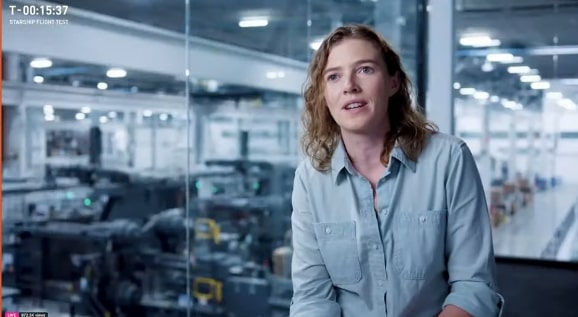
In March 2025, Alexandra Noe Senior Director Starlink production says they make 15,000 dishes per day. John Federspiel another Senior Director says 15000/day standard starlink kits.
They also make premium kits, cruise ship units, starlink mini, airplane units, commercial (for towns and bases 10 gbps). So 25-35% more of the non-standard units.
3% more maritime
5% more business
~25% more roaming, mini, mobility
SpaceX revenue for ten million customers will increase to $30 billion in total revenue and $24 billion in Starlink revenue.
If there is another tripling of dish production and reaching 26-50 million customers at the end of 2026, then SpaceX Starlink would have $60-100 billion in revenue.
With the expansion this year they can grow to 22-25k standard kits. The mini and mobile units are not counted as standard units.
I think for next year they will need to go ballistic after Starship is deploying version 3 in full loads to increase the rate of capacity added per flight. They will go to 24-7 production. Dishes are comparable to the production of flat panel monitors.
In 2026, four shifts in an expanded factory they could produce 60-100K per day, 420-700k per week. 24-35 million per year. With Starships going they really need to 4X of even that production. The further dish factory expansion will likely be in 2026 and 2027.
If they can get all 40,000 V3 satellites up but that would be not just 10X the number of satellites but make much bigger satellites.
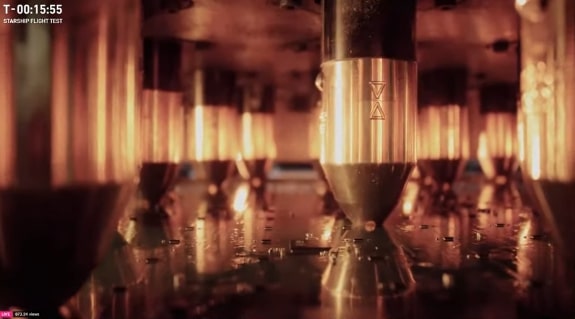
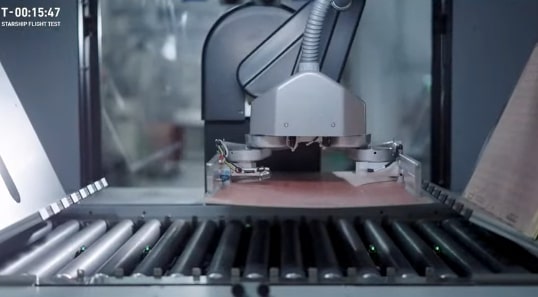
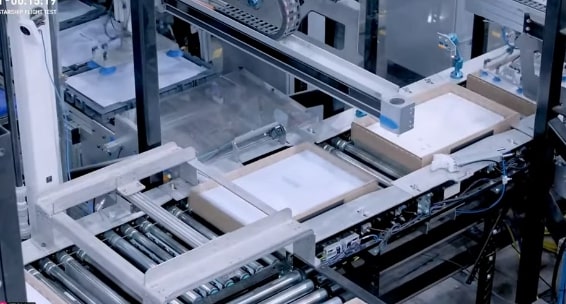
NEWS: SpaceX has released a new video giving us a first look in their new Starlink kit production factory in Texas. They are currently producing 15,000 new Starlink kits per day, a run rate of nearly 5.5 million annually. pic.twitter.com/OxVoYFuKM7
— Sawyer Merritt (@SawyerMerritt) March 3, 2025


Brian Wang is a Futurist Thought Leader and a popular Science blogger with 1 million readers per month. His blog Nextbigfuture.com is ranked #1 Science News Blog. It covers many disruptive technology and trends including Space, Robotics, Artificial Intelligence, Medicine, Anti-aging Biotechnology, and Nanotechnology.
Known for identifying cutting edge technologies, he is currently a Co-Founder of a startup and fundraiser for high potential early-stage companies. He is the Head of Research for Allocations for deep technology investments and an Angel Investor at Space Angels.
A frequent speaker at corporations, he has been a TEDx speaker, a Singularity University speaker and guest at numerous interviews for radio and podcasts. He is open to public speaking and advising engagements.
Starlink does not use dish antennas. It uses flat plate, phased array antennas. A dish antenna can not track the satellites, which is a requirement for te system to work.